All plugins

polytropos-router

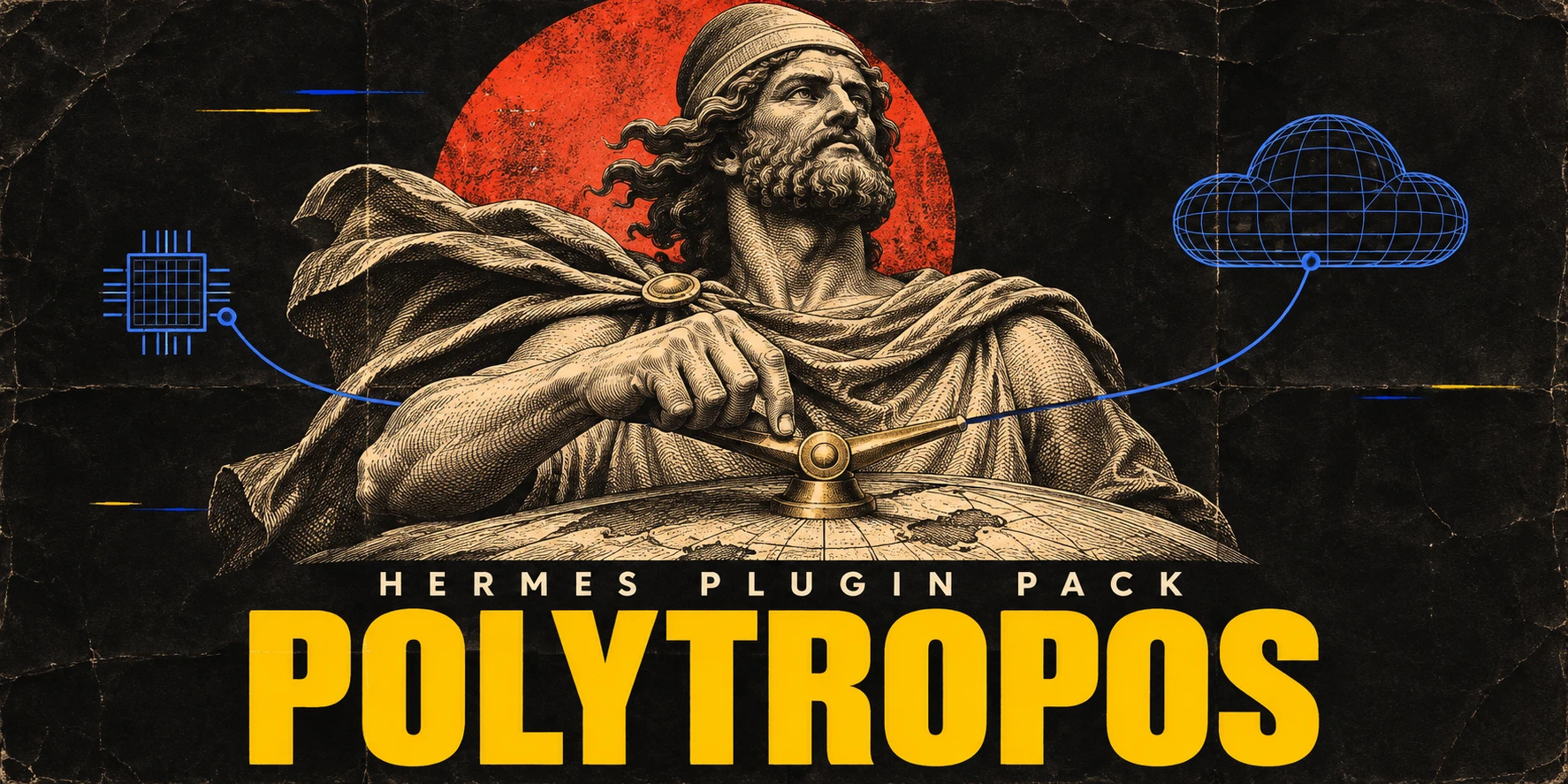
Model provider polytropos-router with one model, auto. For each turn a short classifier call picks the simple or the complex route, and the router tries that route's models in order. A local Ollama model only gets the turn when the machine has memory to spare and the request fits its context window, otherwise the turn goes to free cloud models through FreeLLMAPI. Set it up with the polytropos plugin. Disclosure — sends each turn to the upstreams in its config, which are FreeLLMAPI and Ollama on 127.0.0.1 by default (on Windows FreeLLMAPI's desktop app at the port it saved, 31415 by default), or any other OpenAI-compatible URL the user adds; the classifier sends up to 2,000 characters of the last user message to the classifier model, FreeLLMAPI's auto model by default, also when the turn then runs locally; asks the Ollama API for its version and loaded models and unloads a local model when memory runs low; reads memory pressure with sysctl on macOS, /proc on Linux or GlobalMemoryStatusEx on Windows; fetches stack-canary's public results from raw.githubusercontent.com at most once a day; traces are off by default and never hold message text; reads upstream keys through agent.secret_scope; no telemetry.

Lil-Clanky2Modelsv0.2.0Updated 4 days ago

About

Model provider polytropos-router with one model, auto. For each turn a short classifier call picks the simple or the complex route, and the router tries that route's models in order. A local Ollama model only gets the turn when the machine has memory to spare and the request fits its context window, otherwise the turn goes to free cloud models through FreeLLMAPI. Set it up with the polytropos plugin. Disclosure — sends each turn to the upstreams in its config, which are FreeLLMAPI and Ollama on 127.0.0.1 by default (on Windows FreeLLMAPI's desktop app at the port it saved, 31415 by default), or any other OpenAI-compatible URL the user adds; the classifier sends up to 2,000 characters of the last user message to the classifier model, FreeLLMAPI's auto model by default, also when the turn then runs locally; asks the Ollama API for its version and loaded models and unloads a local model when memory runs low; reads memory pressure with sysctl on macOS, /proc on Linux or GlobalMemoryStatusEx on Windows; fetches stack-canary's public results from raw.githubusercontent.com at most once a day; traces are off by default and never hold message text; reads upstream keys through agent.secret_scope; no telemetry.

Polytropos router

This plugin is a model provider for Hermes Agent, called polytropos-router, with one model, auto. A session runs on auto, and the router chooses a real model for each turn. A short classifier call puts the turn on the simple or the complex route, and each route is a list of models that the router tries in order. A local model only gets the turn when the machine has memory to spare and the request fits the context_window set for it. Otherwise the turn goes to free cloud models through FreeLLMAPI.

The router is set up by the polytropos plugin.

Install

hermes plugins install polytropos
hermes plugins install polytropos-router
hermes polytropos doctor

Then follow the steps in the polytropos plugin. hermes polytropos setup writes the router settings, and the doctor can ask whether to make the router the default model.

Hermes needs FREELLMAPI_API_KEY for every turn on the router, also when all routes are local.

What it sends and where

  • Each turn goes to the models on its routes. By default those are FreeLLMAPI and Ollama on this machine. You can add any other OpenAI-compatible URL.
  • The classifier sends at most 2,000 characters of the last user message to the classifier model, which is FreeLLMAPI's auto model by default. It does so also when the turn then runs on a local model.
  • It asks the Ollama API for its version and for the models in memory.
  • It downloads stack-canary's public test results from raw.githubusercontent.com at most once a day.
  • Traces are off by default. When you turn them on, they record the route and the model of each request without message text.
  • Upstream keys are read through Hermes's secret scope. The router runs no shell commands and sends no usage data anywhere.

Every setting is in the reference.

License

MIT, see LICENSE.

README from the reviewed commit 9c6c4ef; it updates when the author re-pins.

Developer Mode

Explore built-in Hermes toolsets and actions.

HermesAgent

Developer?

Create a Hermes extension for Desktop or agent workflows.

Developer Section